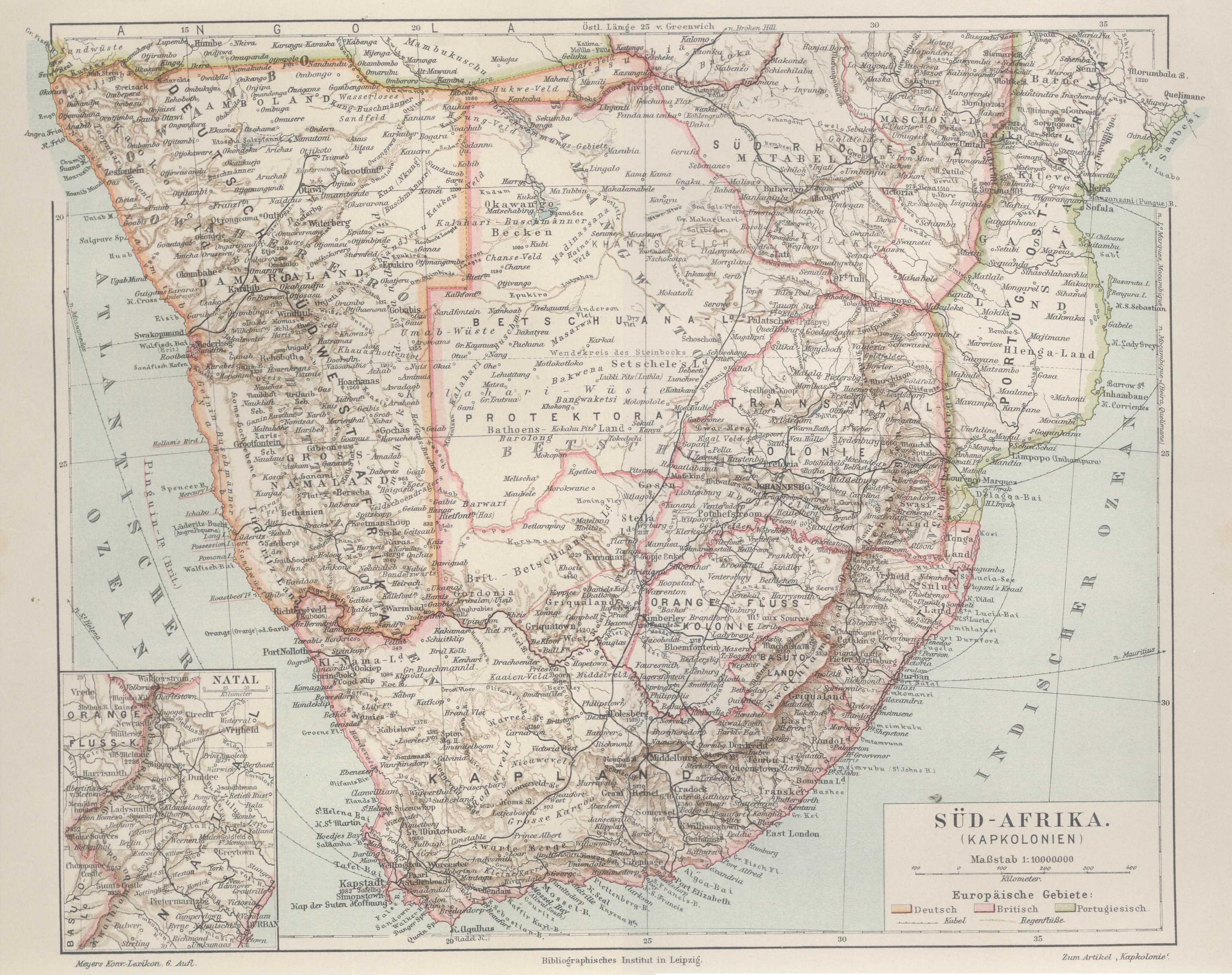
The first Anglo-Boer war was fought and won in 1881 by the Boers of the independent South African Boer Republic (SAR) in the Transvaal, against the British, whose vision under prime minister Disraeli was to annex all independent republics of South Africa under British rule and impose a confederation. This war came one year after the war of the British against the Zulus in 1879, thought to appease the Afrikaners, but having the opposite effect against the non-violent Boers. The final peace settlement in 1884 left certain things in the open, with defeated Britain attempting to control SAR's foreign policy, which led to the second Anglo-Boer war of 1899.
The second Anglo-Boer war, lasting from 1899-1902, started when the South African Republic in the Transvaal (SAR) became the largest gold producer in the world in 1890, after gold was discovered in Witwatersrand in 1886. Britain was the leading industrial nation needing resources, and coveting South Africa's new riches. When SAR restricted foreign mine workers' right to vote in its internal affairs (to a minimum Transvaal residence of 14 years), the British used this as the desired pretext first to control foreign trade by building an exclusive railway from the Cape province to the Transvaal, which SAR circumvented by building their own to nearby Delagoa Bay in Portuguese East Africa. Then Britain invaded the Transvaal, first by the failed Jameson Raid in 1895, supported by Cape's prime minister, Rhodes, and then by military invasion in 1899, on the strength of duplicitous argument by the militant British High Commissioner, Milner, who reported to British Secretary of State Joseph Chamberlain that the South Africans were poised to take over all of South Africa's (strategic) territories, thus bearing full responsbility for starting this costly, wasteful and totally avoidable war. We read in 'Africa and the Victorians': 'The Empire went to war for a concept that was finished, a cause that was lost, a Grand Illusion'. British troops increased to 400,000, and were sadly humiliated by Afrikaner commandos (a lesson that should have been learned inteh American Civil war decades earlier, and served them much better in WW1 a decade later). At least 25,000 Afrikaners died in the war, most of them women and children in concentration camps. The war also claimed 22,000 British and 12,000 African lives. Elisabeth Longford concludes in her biography of Queen Victoria (p542) that 'like the cataracts which were steadily darkening her sights, events in Africa spread a shadow over her last years'.
From 'the Boer War - Ladysmith and Mafeking - 1900'
(historic official papers not previously availabe) by Biddles Unlimited (1999):
Besieged British forces at Ladysmith 1899
The Boers tied up (besieged) the following British military units for the whole year of 1899 at Ladysmith: the 5th Lancers, the 18th and 19th Hussars, the Imperial Light Horse, (200) Natal Mounted Volunteers, the 42d and 53d Batteries, a Brigade Division of the Royal Field Artillery, the No.10 Mountain Battery, the 1th Bn.(Battalion) Royal Irish Fusiliers, the 13th, 21st, 42d, 53d, 67th and 69th Field Batteries, the 1st Bn. Manchester Regiment, the Royal Garrison Artillery, the 1st Bn. Liverpool Regiment, the 2d Bn. Royal Dublin Fusiliers, the 1st Bn. Devonshire Regiment, the 1st Gloucestershire Regiment, the 1st and 2d Bns. King's Royal Rifle Corps, the 1st Bn. Leicerstershire Regiment, the 2d Bn. Gordon Highlanders, the 5th Dragoon Guards, and even a Naval Brigade (from the HMS "Powerful")
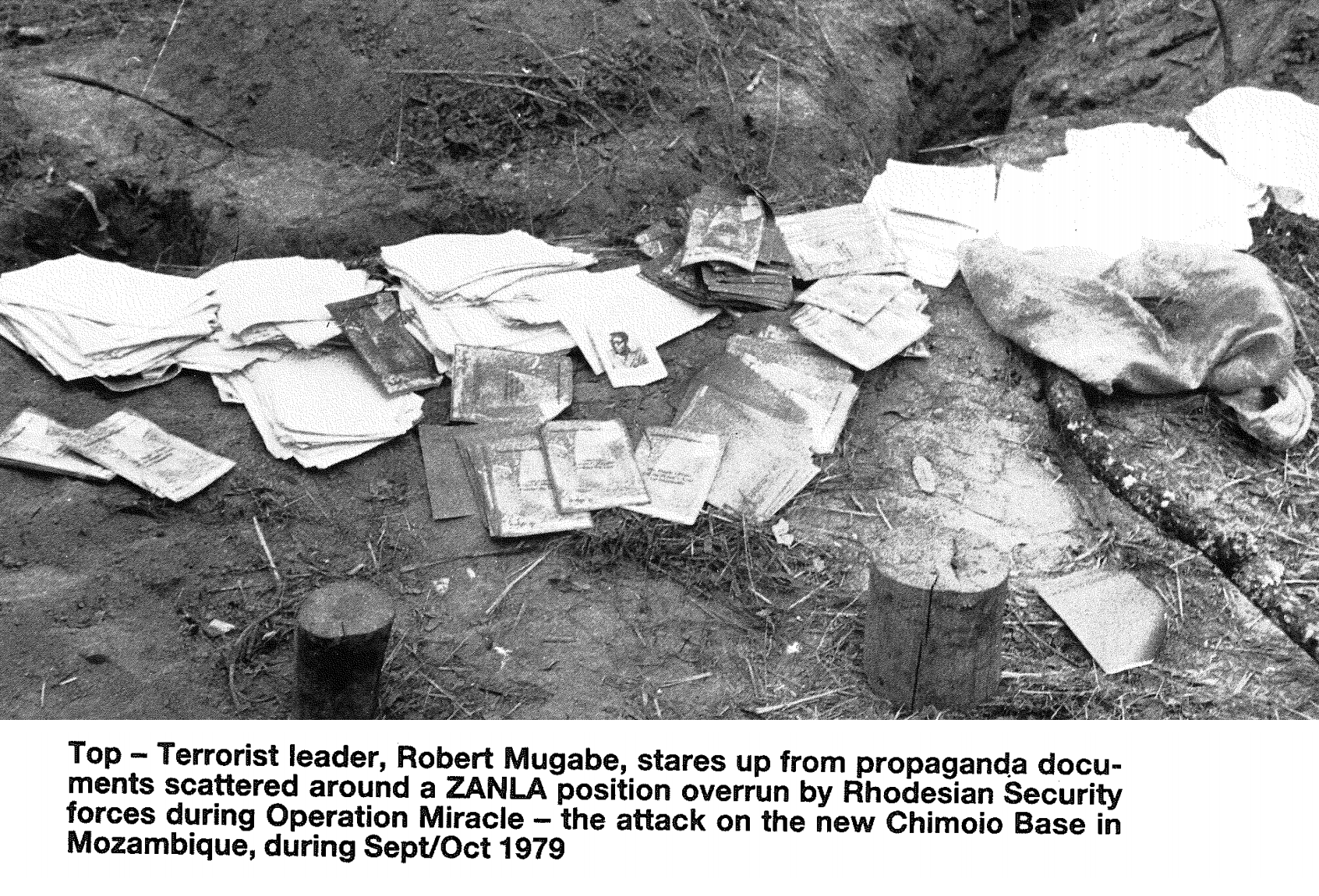
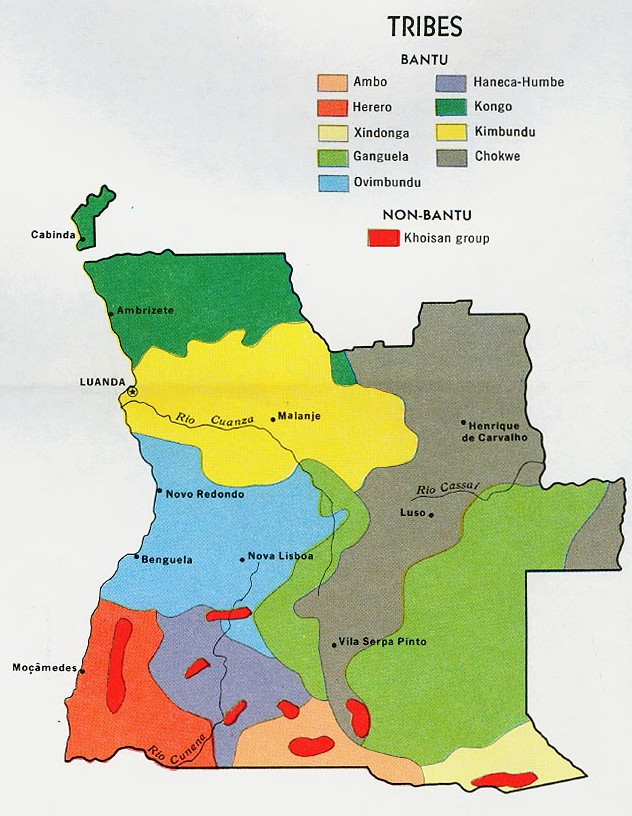
Southern Africa was inhabited by bushmen (the San people) until the arrival of Bantu tribes around the mid 1850s, who displaced them westwards. Around that time, the Matabele (lately Ndebele), descendants of the Natal Zulus, having been driven away established a kingdom in the country. In the 1890s, a British businessman of the British South Africa Company, Cecil Rhodes, oversaw the formation of Rhodesia, in a bid to establish a railway from Cairo to Cape (the 'red line'). After becoming Southern Rhodesia, the settlers of the country voted in 1923 to become a self-governing colony of the British. After World War II in which many Rhodesians fought, Northern Rhodesia (Zambia at present) and Nyasaland (now Malawi) voted in 1963 for independence, while Southern Rhodesia chose to remain a colony. In 1965, the state of Rhodesia became autonomous after Ian Smith made a Unilateral Declaration of Independence (UDI) from Britain. From this time onwards the Soviet-supported communists attempted by violent means to take power, by way of the majority Shona tribe, led by terrorist leader Robert Mugabe of the ZANU party (and aided by fellow tribesmen in Mozambique & Tanzania), historically subservient to the more powerful minority tribe of the Matabele (led by their terrorist leader Joshua Nkomo, son of a London Missionary Society-appointed preacher, of the ZAPU party (aided by Zambia). This led to the Rhodesian bush war of some 15 years (1964 -1979), in which some 30,000 people died (including a 1000 Rhodesian security forces, 20,000 civilians, and 10,000 guerrillas themselves).
the red line
Zimbabwe
In the ensuing ‘majority rule’ after 1980, under the British Lancaster House agreement, ensuring rights for all minority groups, Rhodesia became Zimbabwe, and was granted independence from Britain, soon to be led by former terrorist leader Mugabe. He proved ruthless, his North Korea-trained thugs leaving 20,000 rival Matabele dead in the early 1980s. The press was nationalized in the mid-80s. His despotic land reforms of the 1990s proved disastrous, where productive white farmers were violently disposed. Tobacco, a third of foreign earnings at one time, used to be grown in 7 year rotations on the poor, sandy highveld soil, now an extention of Chinese marxist subsistence farming policy on stolen land. Once a net exporter of maize, cotton, beef, tobacco, roses, and sugarcane, the country became a net importer of agricultural goods, and an exporter of people: elections were rigged, political rivals killed, millions fled (Botswana built a 300 mile fence), mineral-rich Congo was looted by the Zimbabwe 'military', the population exploited by profiteering Mugabe cronies, foreigners alienated, white farmers murdered and over a million of their farm workers and families displaced in retaliation, a third of the black population infected with AIDS by 2003 (life expectancy dropped from 57 to 35), sanctions imposed, and the economy rather predictably collapsed. Another African-country-in-turmoil-of-your-choice, or modern failed-state Venezuela 'avant la lettre'.